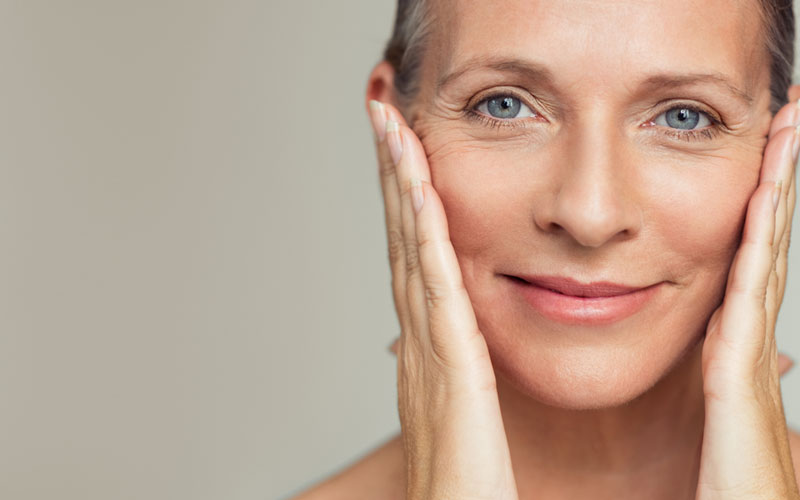
Anti-aging treatments are designed to address visible and structural changes in the skin and body that occur over time. These changes may include fine lines, reduced elasticity, uneven tone, shifts in skin texture, and changes in cellular energy. As interest in long-term skin and cellular health continues to grow, many individuals are exploring options that support the body at a foundational level — including NAD+-focused approaches.
What Happens to the Skin Over Time
As the body ages, natural processes such as collagen and elastin production gradually slow down. These components play a key role in maintaining skin firmness and flexibility. When production decreases, the skin may begin to appear thinner, less firm, and more prone to fine lines.
At the same time, levels of nicotinamide adenine dinucleotide (NAD+) — a coenzyme found in every cell — also decline with age. NAD+ plays an essential role in cellular energy production, DNA repair, and maintaining normal cellular function. Reduced NAD+ levels have been associated with age-related cellular changes, which may influence how the skin and other tissues function over time.
In addition to internal biological shifts, external factors such as sun exposure, environmental conditions, and lifestyle habits can further influence how the skin ages.
How Anti-Aging Treatments Are Designed
Anti-aging treatments are generally developed to support or address these changes. Some approaches focus on improving hydration and surface texture, while others aim to support deeper structural and cellular processes.
NAD+-centered therapies are designed to help replenish or support declining NAD+ levels in the body. This may be done directly through NAD+ administration or indirectly through precursors such as nicotinamide riboside (NR) or nicotinamide mononucleotide (NMN), which the body converts into NAD+. Research in this area continues to evolve, particularly in relation to cellular energy metabolism and healthy aging.
Depending on the method used, treatments may aim to:
- Improve skin smoothness and tone
- Support collagen production
- Promote cellular energy production
- Support DNA repair processes
- Enhance overall skin texture and resilience
These outcomes are approached differently depending on the type of treatment selected.
Main Categories of Anti-Aging Treatments
Anti-aging solutions are often grouped into several broad categories:
Topical Treatments
These include creams, serums, and other products applied directly to the skin. Some topical formulations now incorporate ingredients intended to support cellular metabolism or protect against oxidative stress, alongside traditional hydration-focused ingredients.
Non-Invasive Treatments
These treatments are typically performed without surgery and may include procedures that target deeper layers of the skin. In the context of NAD+, non-invasive approaches can include oral supplementation with NAD+ precursors or supervised IV NAD+ therapy. These options are generally explored for their potential to support systemic cellular function rather than only surface-level changes.
Wellness-Based Approaches
Some anti-aging strategies also consider broader lifestyle factors such as sleep quality, nutrition, stress management, and physical activity. Because NAD+ levels are influenced by metabolic health and lifestyle patterns, these foundational habits are often discussed alongside NAD+-supportive therapies.
Why People Explore Anti-Aging Treatments
Interest in anti-aging treatments often comes from a desire to better understand available options rather than immediately choosing a specific solution. As awareness grows around cellular aging and the role of NAD+ in energy production and repair mechanisms, more individuals are researching how NAD+-based strategies fit within a long-term approach to healthy aging.
Because there is a wide range of options available — from topical products to systemic cellular support — understanding the basics can help create a clearer starting point.
Building a Long-Term Approach
Anti-aging is often approached as a long-term process rather than a single treatment decision. Many individuals combine different methods over time depending on their needs and preferences.
NAD+-focused therapies are frequently considered as part of a broader strategy that includes skincare, procedural treatments, and lifestyle optimization. While research continues to better define long-term outcomes, supporting cellular health has become an increasingly discussed component of modern anti-aging conversations.
If you are exploring anti-aging treatments, CompareTreatments.com provides resources to help you review and compare general treatment approaches, including emerging options focused on cellular health such as NAD+ therapies.
Compare Treatments