Anti-aging treatments can vary widely in how they are applied and what they are designed to address. From topical skincare to more advanced procedures, understanding the most common options can help make the research process more manageable.
In recent years, there has been growing interest in treatments that support aging at the cellular level — particularly therapies focused on nicotinamide adenine dinucleotide (NAD+), a coenzyme involved in cellular energy production and repair.
Topical Anti-Aging Products
Topical products are one of the most widely used approaches. These include creams, serums, and lotions designed to be applied directly to the skin.
They are often used to support:
- Hydration and moisture balance
- Skin texture and smoothness
- Gradual improvement in fine lines
Some modern formulations also include ingredients intended to support cellular metabolism or protect against oxidative stress, which may indirectly complement internal approaches aimed at maintaining healthy NAD+ levels.
Because these products are used regularly, consistency often plays an important role in how they are incorporated into routines.
Injectable Treatments
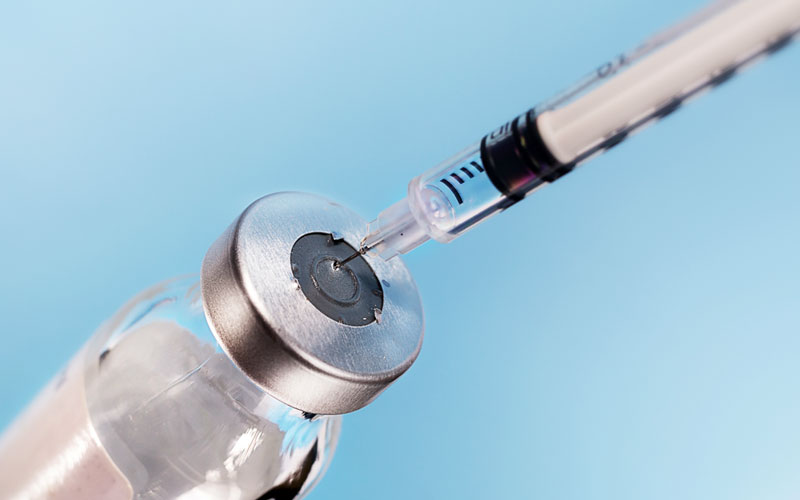
Injectable treatments are commonly discussed in anti-aging conversations. These approaches are typically used to address visible signs such as wrinkles or volume loss.
They are often applied to specific areas of the face and may be used as part of a targeted treatment approach. While injectable cosmetic procedures focus primarily on structural or aesthetic changes, some individuals explore them alongside systemic therapies — including NAD+-supportive options — as part of a broader anti-aging strategy.
Energy-Based and Skin Treatments
Some anti-aging treatments use technology such as light, heat, or micro-injury techniques to target deeper layers of the skin. These may include:
- Laser-based treatments
- Microneedling
- Radiofrequency-based procedures
These approaches are often explored when individuals are looking for options beyond topical treatments. They primarily focus on stimulating collagen production or improving skin texture at a structural level, and may be combined with therapies that aim to support cellular energy and repair processes, including NAD+-related treatments.
Cellular and Emerging Approaches
More recently, there has been increased interest in treatments that focus on cellular-level processes. NAD+ plays a central role in cellular metabolism, mitochondrial function, and DNA repair. Research has shown that NAD+ levels naturally decline with age, which has led to growing exploration of therapies designed to replenish or support these levels.
These approaches may include NAD+ IV therapy or supplementation with NAD+ precursors such as nicotinamide riboside (NR) or nicotinamide mononucleotide (NMN), which the body can convert into NAD+. While research in this area is ongoing, many individuals are interested in how supporting NAD+ levels may contribute to overall healthy aging.
Because this area continues to evolve, individuals often research these treatments carefully and consult qualified professionals before considering them.
How to Compare Different Options
When reviewing anti-aging treatments, individuals often consider:
- The type of concern being addressed
- Whether the treatment focuses on surface-level or cellular support
- The level of treatment involved
- The expected timeline for changes
- Maintenance or follow-up requirements
Understanding these factors can help create a more structured comparison, especially when evaluating traditional cosmetic treatments alongside emerging cellular approaches such as NAD+ therapies.
If you are comparing anti-aging treatment types, CompareTreatments.com offers resources to help you explore different approaches, including options focused on cellular health and NAD+ support.
Compare Treatments