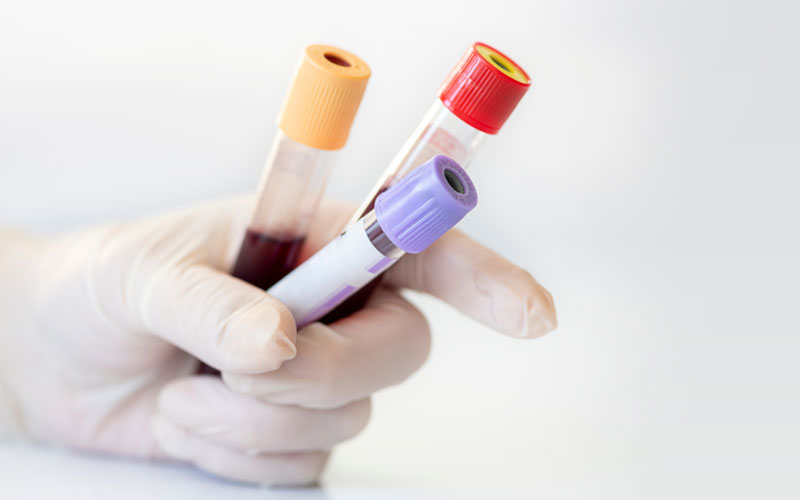
Blood testing is one of the most common diagnostic tools used in healthcare. It provides information about various aspects of the body, including organ function, nutrient levels, and overall health indicators. Because blood circulates throughout the entire body, it can reflect changes happening in different systems, making it a valuable source of clinical insight. From routine wellness checks to more targeted investigations, blood analysis plays a central role in modern medical decision-making.
What Is a Blood Test?
A blood test involves collecting a small sample of blood, usually from a vein in the arm. In some cases, blood may be drawn from a finger prick or another site depending on the type of test being performed. The procedure is typically quick and performed by a trained healthcare professional using sterile equipment.
Once collected, the sample is sent to a laboratory where it is analyzed using specialized instruments. These instruments measure specific components such as red and white blood cells, platelets, hormones, enzymes, electrolytes, proteins, glucose, lipids, or nutrients. Some tests evaluate how well organs like the liver, kidneys, or thyroid are functioning, while others assess immune activity or inflammation levels.
Results are usually compared against established reference ranges. These ranges help clinicians interpret whether values fall within expected limits or may require further evaluation. Interpretation always considers the individual’s age, medical history, medications, and current symptoms.
Why Blood Tests Are Performed
Healthcare providers may order blood tests to:
- Monitor general health
- Evaluate symptoms
- Screen for certain conditions
- Track existing medical concerns
Blood tests are frequently used during annual physical exams to provide a snapshot of overall health. They can help identify early signs of conditions before noticeable symptoms develop. For example, blood work may detect changes in cholesterol levels, blood sugar, or blood cell counts.
Are Blood Tests Routine?
Many blood tests are part of routine health assessments. Preventive care often includes basic panels that evaluate blood cells, kidney and liver function, glucose levels, and cholesterol. These tests help establish baseline values that can be referenced in the future.
Others may be ordered when symptoms require further investigation. For example, specific hormone tests, inflammatory markers, or nutrient levels might be measured when clinically indicated. In some situations, follow-up testing may be recommended to confirm initial findings or monitor changes.
Why Research Matters
Understanding the purpose of blood testing can help individuals feel more informed before appointments. Learning what a test measures and why it has been recommended may reduce uncertainty and encourage meaningful discussions with healthcare providers.
If you are exploring blood testing options, CompareTreatments.com provides resources to review and compare general testing categories.
Compare Treatments