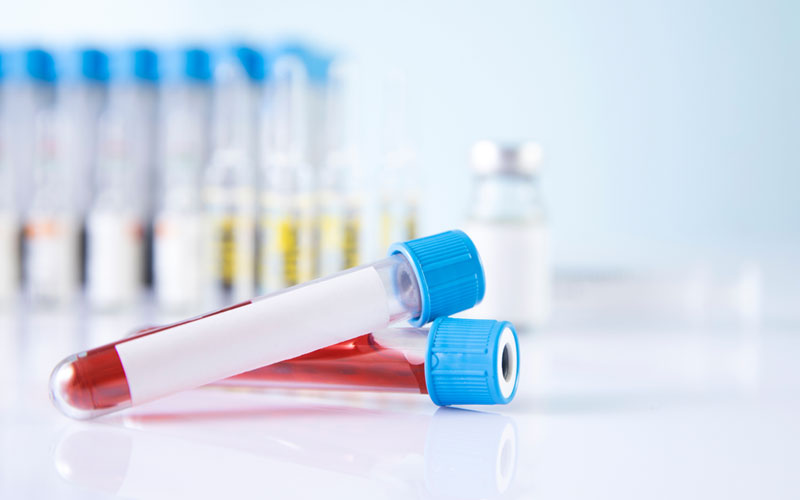
Not all blood tests serve the same purpose. Different tests are used to evaluate specific health markers or systems within the body. With the growth of at-home blood testing options, many of these categories can now be measured without visiting a traditional laboratory setting. At-home testing kits are designed to collect small samples—often through a finger prick—that are mailed to a certified laboratory for analysis. This approach allows individuals to access many of the same categories of testing from the convenience of home.
Complete Blood Count (CBC)
A CBC measures various components of blood, including red blood cells, white blood cells, and platelets. It is commonly used as part of general health evaluation. These measurements can provide insight into overall wellness and may help identify patterns that require further clinical review.
Metabolic Panels
Metabolic panels assess markers related to kidney function, liver function, and electrolyte balance. These tests provide broader insight into organ health and are often used to evaluate how different systems of the body are functioning together.
Many at-home testing services now offer basic metabolic markers as part of wellness panels. After collecting a small blood sample at home, individuals mail it to a certified lab, where automated systems analyze the results. Reports are typically delivered through secure online portals.
Lipid Panels
Lipid testing evaluates cholesterol and related markers. These tests are often included in cardiovascular health assessments and may measure total cholesterol, HDL cholesterol, LDL cholesterol, and triglycerides.
At-home lipid testing has become increasingly common. Many kits require fasting beforehand, similar to traditional lab-based testing, to help ensure accurate results. Clear instructions are typically included to guide proper preparation and sample collection.
Hormone Testing
Certain blood tests measure hormone levels to evaluate endocrine function. Hormones play a role in metabolism, stress response, reproductive health, and other essential bodily processes.
Understanding the purpose of each category can help individuals feel more prepared before testing. With the expansion of at-home blood testing options, people now have additional flexibility in how they access laboratory services. While at-home testing does not replace professional medical evaluation, it can serve as a convenient tool for gathering information, supporting routine monitoring, and encouraging more proactive engagement with personal health.
Compare Treatments