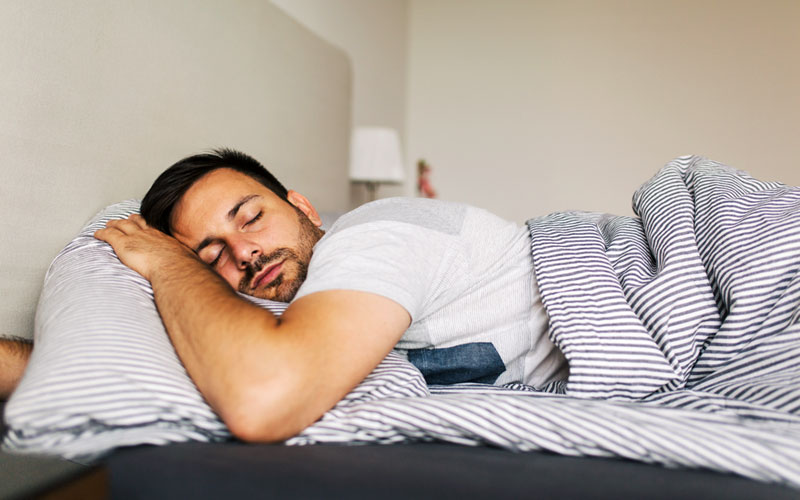
An at-home sleep apnea test can sound more complicated than it actually is. Instead of spending the night connected to equipment in a sleep center, eligible patients can complete a simplified sleep study in their own bed using a portable testing device.
The exact process depends on the provider and device, but most home testing follows a similar journey—from an initial medical review to having your sleep data interpreted and discussing what comes next.
Confirm That Home Testing Is Appropriate
The first step is determining whether an at-home test is suitable for you.
Home sleep apnea testing is generally intended for adults whose symptoms and medical history suggest an increased risk of obstructive sleep apnea without certain complicating conditions. The American Academy of Sleep Medicine recommends that the need for a home test be determined by a medical provider based on a clinical evaluation, which may take place in person or through telemedicine.
Depending on the service you choose, this evaluation may be incorporated into the online testing process.
Receive Your Testing Equipment
Once testing has been recommended or ordered, the device is provided for you to use at home. Some services deliver the equipment directly, while others may arrange for it to be collected.
Home testing equipment is much simpler than the setup used for a full laboratory sleep study. Different devices use different combinations of sensors, so the equipment you receive may not look exactly like another provider's test.
Before bedtime, you'll receive instructions explaining how to position the sensors and activate the device.
Set Up the Test Before Bed
When it is time to sleep, you attach the sensors according to the instructions provided.
A home sleep apnea test may collect information such as:
- Airflow and breathing patterns
- Blood oxygen levels
- Heart rate
- Breathing effort
The specific measurements depend on the device being used.
Sleep in Your Own Bed
This is one of the main reasons people find home testing appealing: the monitoring happens in a familiar environment.
After switching on the device, you simply sleep while it records the required information. Mayo Clinic notes that patients completing a home sleep apnea test are generally instructed to follow their regular bedtime schedule.
There is no overnight stay at a sleep center, and the equipment is designed specifically for home use.
Send Back the Data
In the morning, you remove the sensors and follow the provider’s instructions for returning the equipment or submitting the recorded information. Some devices transfer data electronically, while reusable equipment may need to be mailed or returned. Certain home tests are also disposable after use. From there, the sleep data moves into the review stage.
Have Your Results Professionally Reviewed
The device itself should not be treated as the final diagnosis.
Your results can help determine whether the recorded breathing patterns are consistent with obstructive sleep apnea and whether additional evaluation is needed.
A home test that is negative or inconclusive does not always rule sleep apnea out. In some situations, a healthcare provider may recommend further testing in a sleep laboratory.
From Testing to the Next Step
At-home sleep apnea testing is designed to make the diagnostic process more accessible for people who are appropriate candidates. The equipment is delivered or provided, the test takes place in your own bed, and the resulting data can give a medical professional useful information about what is happening while you sleep.
The main differences often come down to the provider: how the medical review works, which testing device is used, how quickly results are returned, and what type of follow-up is included.
CompareTreatments.com brings at-home sleep apnea testing options together in one place, making it easier to review providers and choose a testing process that feels straightforward from the first step through your results.
Find Sleep Apnea Tests